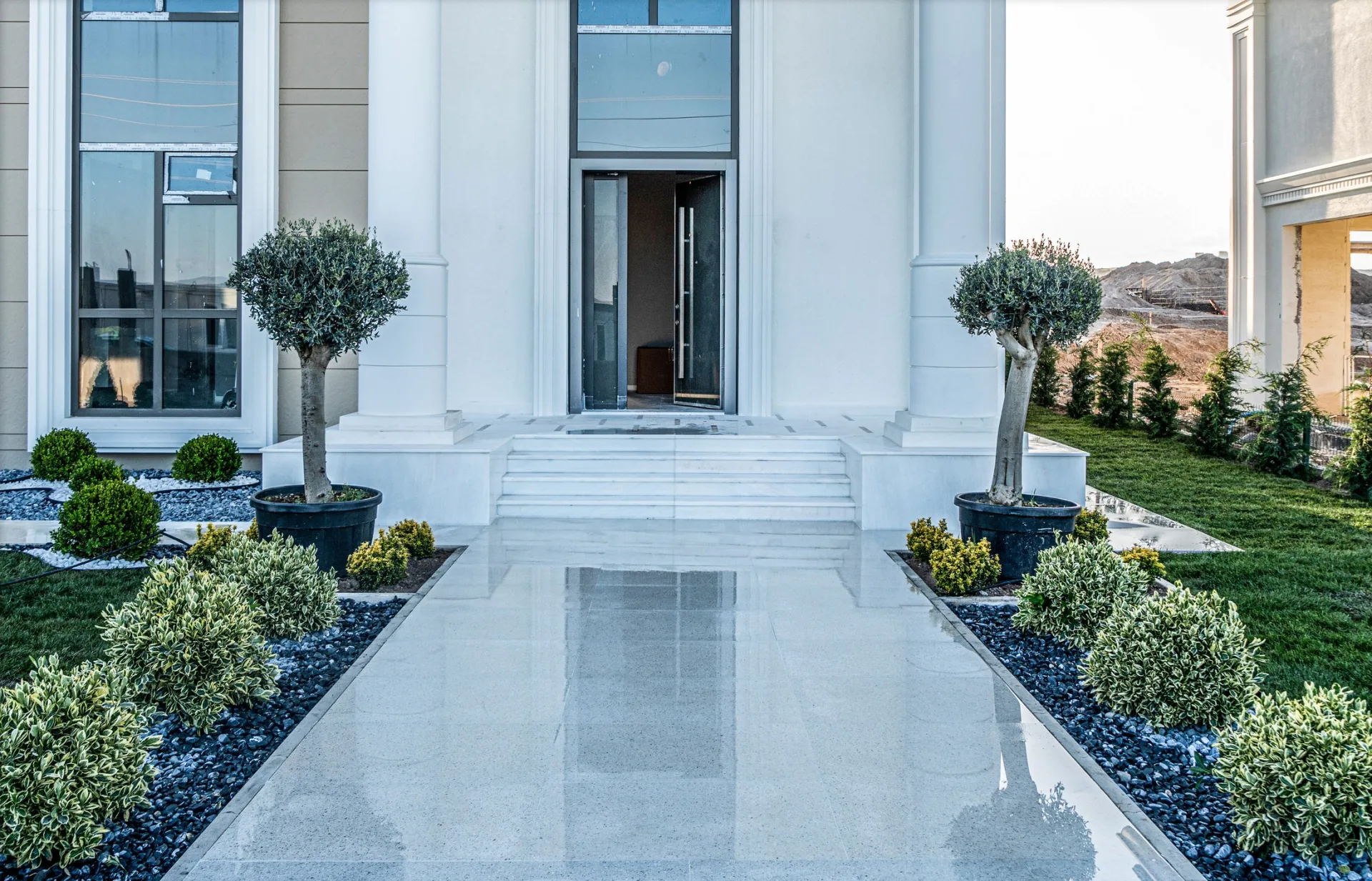
Flooring
Used as a floor covering indoors and outdoors; offers a range of surface options depending on the intended use.
View product
Terrazzo tiles
A floor covering made by mixing crushed, screened and washed marble pieces with cement, pressing the mix, then grinding and polishing it; it is also known as artificial marble.
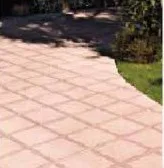
Overview
It can be used wherever hard flooring is laid in buildings such as homes, office buildings, schools, parks, gardens, bus stations, pedestrian ways and factories.
It resists wear and impact; despite its glossy look it is non-slip, absorbs very little water, does not hold dust, is easy to clean, withstands vibration and gives a homogeneous look in all large-area uses.
In 40×40×1.9 and 60×60×2.5 cm sizes; with glossy, matt and patinato finishes.
Pavement and washbeton floor tiles, 4 cm thick.
Made as guiding lines and warning studs.
Terrazzo tile
By place of use: glossy indoors, matt, relief, aged and washbeton surfaces outdoors.

Glossy floor tiles used indoors.

Matt floor tiles used outdoors.

Used in spaces where an antique look is wanted.

Floor tiles with a relief surface, used outdoors.

Made as guiding lines and warning studs.

Floor tiles made with natural river pebbles, used outdoors.
Terrazzo tile
Terrazzo colour numbers. Colours on screen may differ from the real product; please do not order without seeing the original.
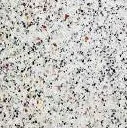
SM-1
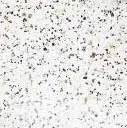
SM-3
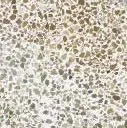
SM-4
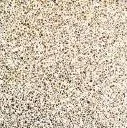
SM-5
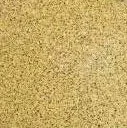
SM-6
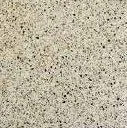
SM-8
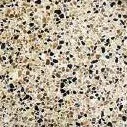
SM-9
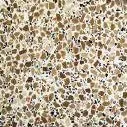
SM-10
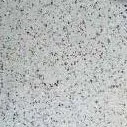
SM-11
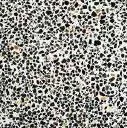
SM-12
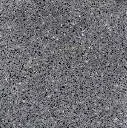
SM-13
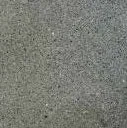
SM-14
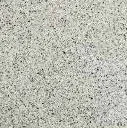
SM-15
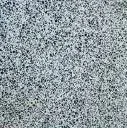
SM-16
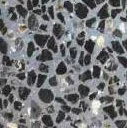
SM-17
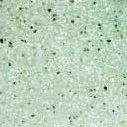
SM-18
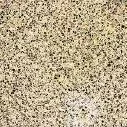
SM-19
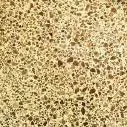
SM-20
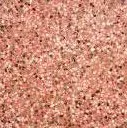
SM-21
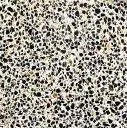
SM-22
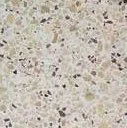
SM-23
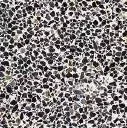
SM-25
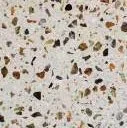
SM-27
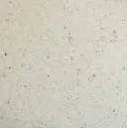
SM-28
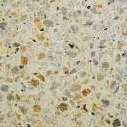
SM-32
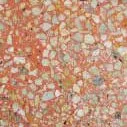
SM-33
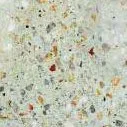
SM-34
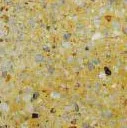
SM-35
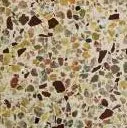
SM-36
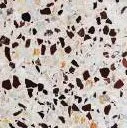
SM-37
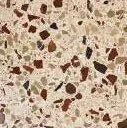
SM-38
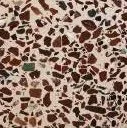
SM-40
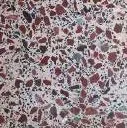
SM-41
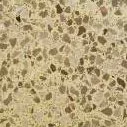
SM-42
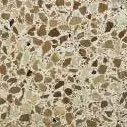
SM-43
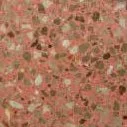
SM-44
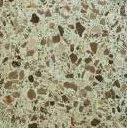
SM-45
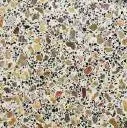
SM-46
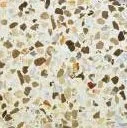
SM-47
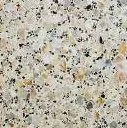
SM-48
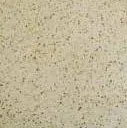
SM-49
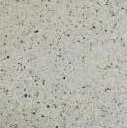
SM-50
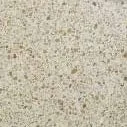
SM-51
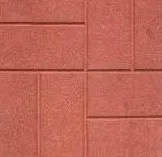
Red
40×40×4 cm
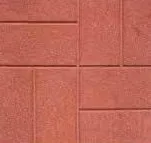
Red
30×30×3 cm
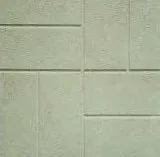
Green
40×40×4 cm
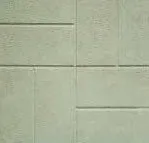
Green
30×30×3 cm
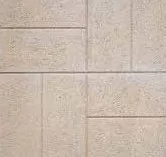
White
40×40×4 cm
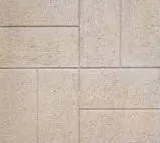
White
30×30×3 cm

Guiding line
40×40×4 cm

Warning studs
40×40×4 cm
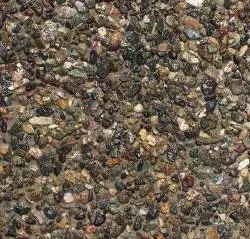
WB-1
40×40×4 cm
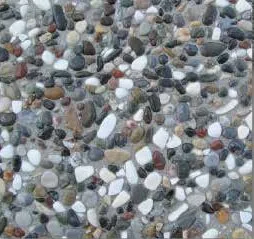
WB-2
40×40×4 cm
Terrazzo tile
The values required by TS 213 next to Ölmez Terrazzo values.
Lower is better
TS 213 required
0.30 %
Ölmez Terrazzo
0.2 %
Higher is better
TS 213 required
Avg. 5 MPa
Ölmez Terrazzo
> 8.5 MPa
Higher is better
TS 213 required
Min. 2.5 kN
Ölmez Terrazzo
> 3.9 kN
Lower is better
TS 213 required
Max. 30 cm³/50 cm²
Ölmez Terrazzo
< 20 cm³/50 cm²
Lower is better
TS 213 required
Max. 8 %
Ölmez Terrazzo
< 2 %
Lower is better
TS 213 required
Max. 0.4 g/cm²
Ölmez Terrazzo
< 0.3 g/cm²
Wider range is better
TS 213 required
−25 / +50 °C
Ölmez Terrazzo
−30 / +60 °C
No comparison
TS 213 required
Not required
Ölmez Terrazzo
> 65 gloss
Glossy floor tiles are certified to TS 213-1 / EN 13748-1 and pavement floor tiles to TS 213-2 / EN 13748-2. In each row the bar length shows the ratio of the two values to each other; a shorter bar means a lower value.
Terrazzo tile
Floor tiles are shipped on wooden pallets.
You can scroll the table horizontally
Terrazzo tile
Recommendations for installing floor tiles.
The surface to be covered must be cleaned of all dust and dirt.
Laying mortar: prepare a mix of 4 parts sharp sand up to 6–7 mm with 1 part cement. Mark out an area you can lay within 15 minutes at most.
Spread the mortar with a trowel so that no voids remain, and sprinkle a little water on the surface.
Place the tile and level it to the string line using a rubber mallet. Use a plastic mallet for installation.
Keep laying with a joint gap of at least 2 mm and at most 6 mm; use plastic joint spacers that match the joint width.
Make sure no mortar is left on the surface. Laying mortar thickness must be at least 15 mm and at most 30 mm; where it exceeds 3 cm, lay a cushion of lower-dosage mortar before the laying mortar.
Grouting should be done at least 3 days later. Prepare the grout by adding 5 kg of fine marble powder and, if needed, pigment to 1 bag of cement, according to the colour of the tile. Mix this dry blend with water thoroughly to a thick buttermilk consistency and spread it on the clean surface.
To fill the joints well, work the wet grout across the surface in different directions with a rubber squeegee. Once sure the joints are full, sprinkle the dry grout mix and clean the remaining grout off the surface thoroughly with dry cloth such as sacking; if the surface is not cleaned well, the gloss of the tiles will be dulled.
A day after grouting, wet the surface to prevent the grout from cracking.
Soft soap is enough for cleaning. Never use chlorine-based or acidic cleaning products.
Terrazzo tile
Terrazzo tiles
Used as a floor covering indoors and outdoors; offers a range of surface options depending on the intended use.
View product
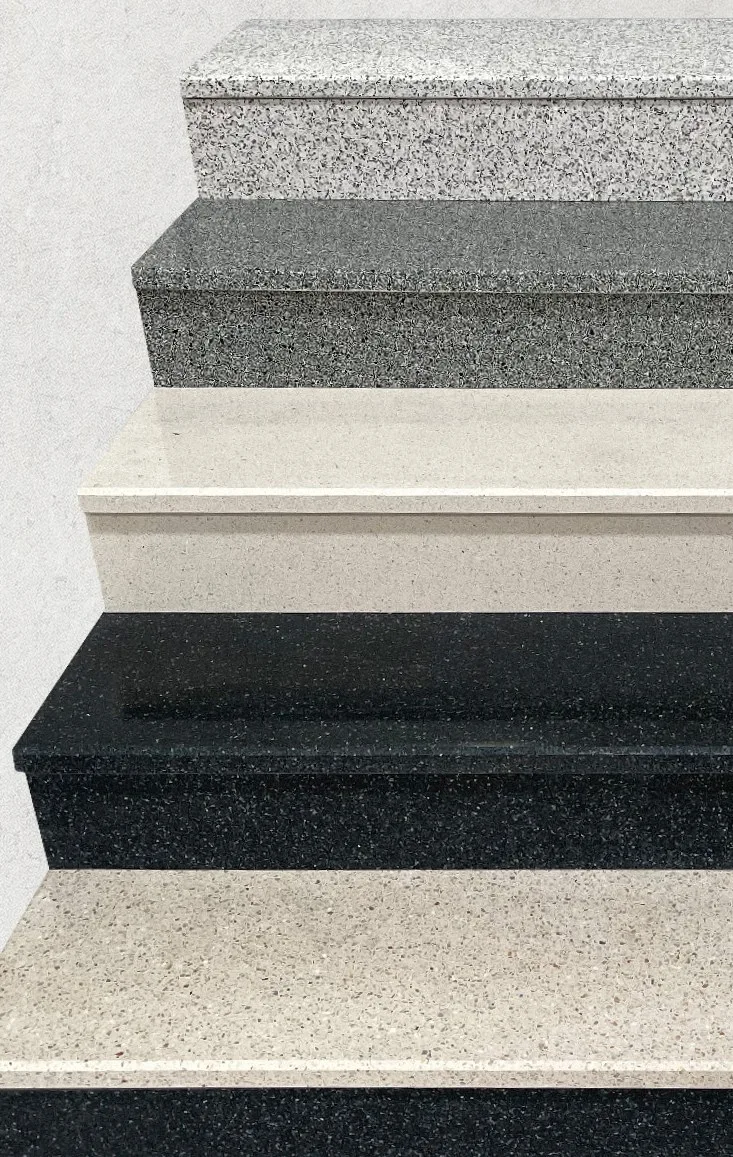
Stair treads cut from 68×150×3 cm slabs, made in two pieces with the tread and riser separate, are among our most widely used products.
View product
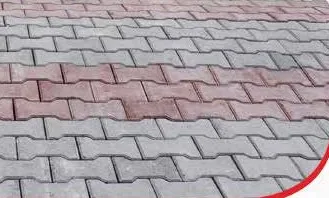
6 cm interlocking paving stones are used where there is pedestrian traffic such as footpaths, medians, parks and squares; 8 cm stones where there is pedestrian and light vehicle traffic.
View product
Share your product, size and quantity details and our team will get back to you shortly.